

In Indian cinema, the highest lifetime achievement recognition is named after Dadasaheb Phalke, widely regarded as the Father of Indian Cinema. The prestigious award celebrates individuals who have made extraordinary contributions to the film industry. Here’s everything you need to know about him and the award that carries his legacy.
Who was Dadasaheb Phalke?
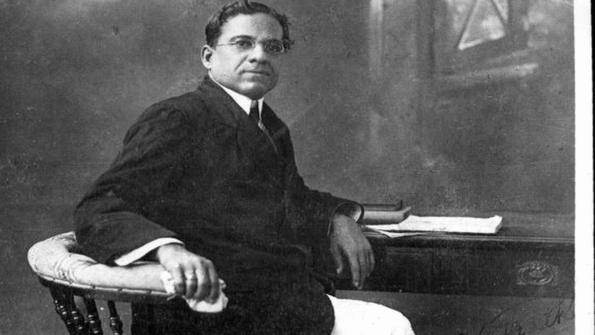
Dadasaheb Phalke pioneered filmmaking in India and laid the foundation of the country’s movie industry. In 1913, he created India’s first full-length feature film, Raja Harishchandra, marking the beginning of organized cinema production in the country.
At a time when filmmaking infrastructure barely existed in India, Phalke handled direction, production, and technical aspects almost single-handedly, inspiring generations of filmmakers who followed.
Why is an award named after him?
To honor his unmatched contribution to Indian cinema and to recognize lifetime excellence in filmmaking, the Government of India instituted a top national film honor in his name. The award recognizes individuals whose work has significantly shaped Indian cinema over decades.
When did the award start?
The Dadasaheb Phalke Award was introduced in 1969 as part of India’s National Film Awards program and is administered by the Ministry of Information and Broadcasting. Since then, it has been awarded annually to legendary figures in Indian cinema.

Which industry receives this award?
The honor is presented to contributors across the Indian film industry, including actors, directors, producers, music composers, writers, cinematographers, and technical experts who have dedicated their careers to cinema.
Why is the award important?
Winning the Dadasaheb Phalke Award is considered the highest lifetime achievement recognition in Indian cinema. It represents national acknowledgment of a person’s enduring impact on filmmaking and entertainment culture in India.