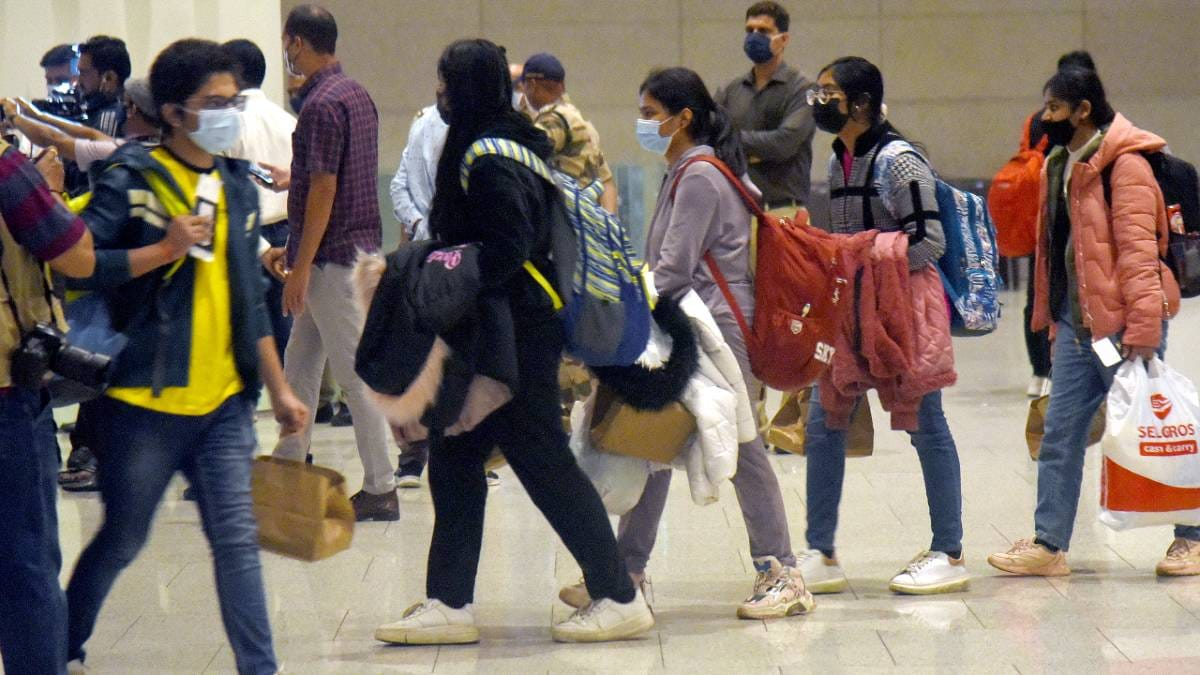
Amid rising tensions and uncertainty in Iran, the situation of Indian medical students has become a major concern. While authorities have advised citizens to return home for safety reasons, many students pursuing MBBS in Iran are reluctant to leave, creating a complex and emotional dilemma.
The primary reason behind this hesitation is the fear of losing academic progress. Many students are in the middle of their medical degrees and worry that returning to India could disrupt their education permanently. Unlike some other courses, transferring medical education credits from foreign universities to Indian institutions is extremely difficult, leaving students with limited options.
Another major factor is affordability. Studying medicine in Iran is significantly cheaper compared to private medical colleges in India. For many middle-class families, this makes Iran an attractive destination for higher education. If students return now, they may not be able to continue their studies due to the high costs involved in shifting to another country or enrolling in private colleges in India.
Despite ongoing unrest, not all regions in Iran are equally affected. Several universities continue to function, and classes are still being conducted in many areas. This partial normalcy is encouraging students to stay back and complete their education rather than risk an uncertain future.
Students have also expressed concerns about career uncertainty. Completing an MBBS degree abroad already involves challenges such as licensing exams and recognition processes in India. Interrupting studies midway could further complicate their path to becoming doctors.
Meanwhile, the Indian government has been closely monitoring the situation and has issued advisories urging students to prioritize their safety. However, the final decision remains with the students and their families, many of whom are weighing safety concerns against long-term career risks.
The situation highlights a broader issue faced by thousands of Indian students studying abroad—balancing safety during geopolitical crises with the need to secure their educational and professional future.
In conclusion, while safety remains a priority, the reluctance of Indian medical students to leave Iran is driven by practical concerns such as education continuity, financial limitations, and career stability. The coming weeks will be crucial in determining how this situation unfolds for these students caught between uncertainty and ambition.