
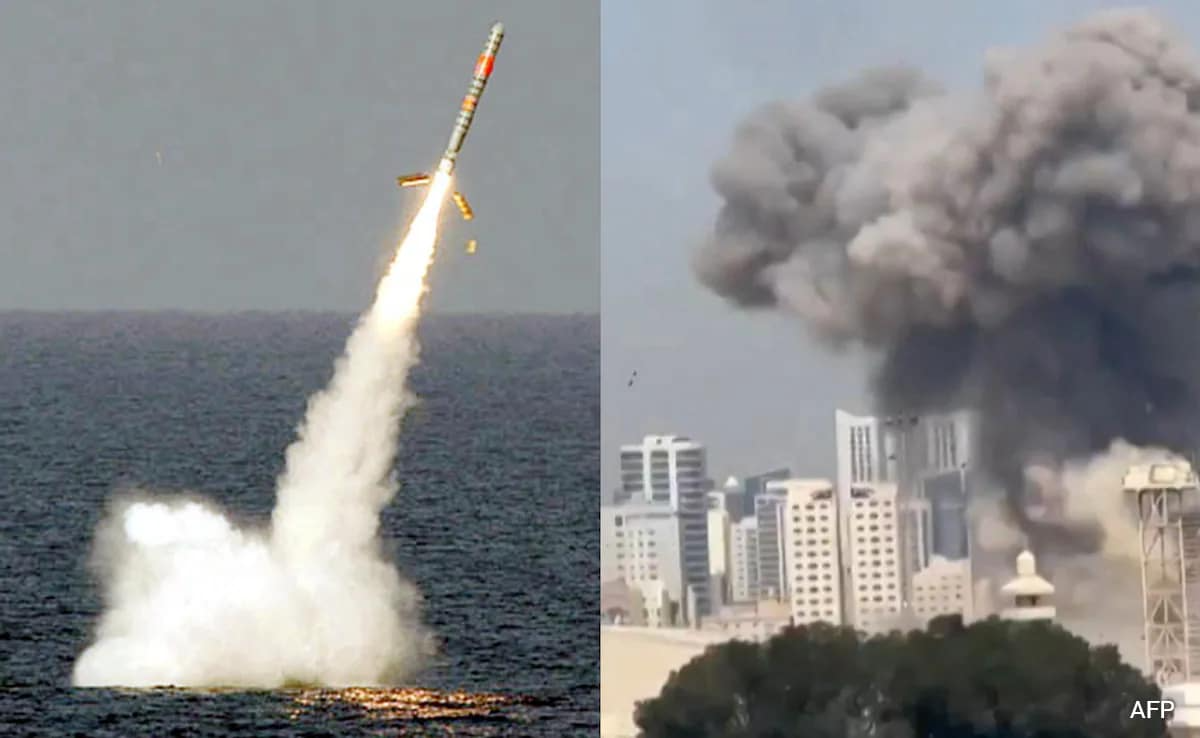
Middle East, February 28, 2026 — The escalating conflict between Israel and Iran has spotlighted some of the most powerful modern weapons in active combat, including Tomahawk cruise missiles, bunker-busting bombs, and long-range ballistic missiles. Military analysts say these advanced systems are reshaping battlefield tactics and increasing risk in an already volatile region.
Tomahawk Cruise Missiles: Long-Range Precision Strikes
Tomahawk cruise missiles — long-range, precision-guided weapons deployed by U.S. and allied forces — have been used to strike strategic targets deep inside Iranian territory. These missiles can travel hundreds of miles with high accuracy, designed to hit hardened positions while limiting collateral damage. Their high guidance precision and adaptability make them a central component of modern naval-launched strikes in the conflict.
Bunker Busters: Targeting Fortified Installations
Bunker-busting bombs are designed to penetrate hardened or deeply buried targets such as command centres, reinforced facilities and underground infrastructure before exploding. In the Israel-Iran theatre, these weapons are reportedly used against fortified military sites and missile launch hubs, aiming to disrupt critical enemy capabilities.
Ballistic Missiles: Long-Range Threats and Retaliation Systems
Both sides in the conflict have deployed ballistic missiles, which follow a high-arc trajectory and can deliver warheads over long distances. These missiles — including short- and medium-range variants — serve as deterrents and offensive options for strategic targets, including military bases, infrastructure and logistics sites.
In recent weeks, Iran has publicly demonstrated its ballistic capabilities and hinted at future retaliatory launches against Israeli or allied assets, heightening regional tensions and prompting defensive alerts from neighbouring countries.
Regional Defense and Countermeasures
In response to the use of such advanced weaponry, nations in the Gulf region and beyond have heightened air defence readiness, deploying radar systems, anti-missile batteries and early warning networks to protect critical cities, airports and energy infrastructure from potential threats.
Countries with direct involvement — including the United States and Israel — also leverage integrated defence systems to intercept incoming missiles and protect allied forces, while coordinating intelligence and surveillance operations to track missile launches and expected impact zones.
Strategic Implications of Advanced Weapon Use
The use of precision-guided missiles, bunker-busting ordnance and ballistic systems reflects a transition in modern warfare, where technology and long-range strike capabilities take precedence over traditional frontline engagements. Military experts warn that such high-technology conflict can increase both tactical effectiveness and the risk of broader escalation as adversaries respond with comparable systems.
Analysts say the ongoing Israel-Iran confrontation offers a stark look at how technologically advanced weaponry is shaping combat outcomes, deterrence strategies, and geopolitical risk in the Middle East.