
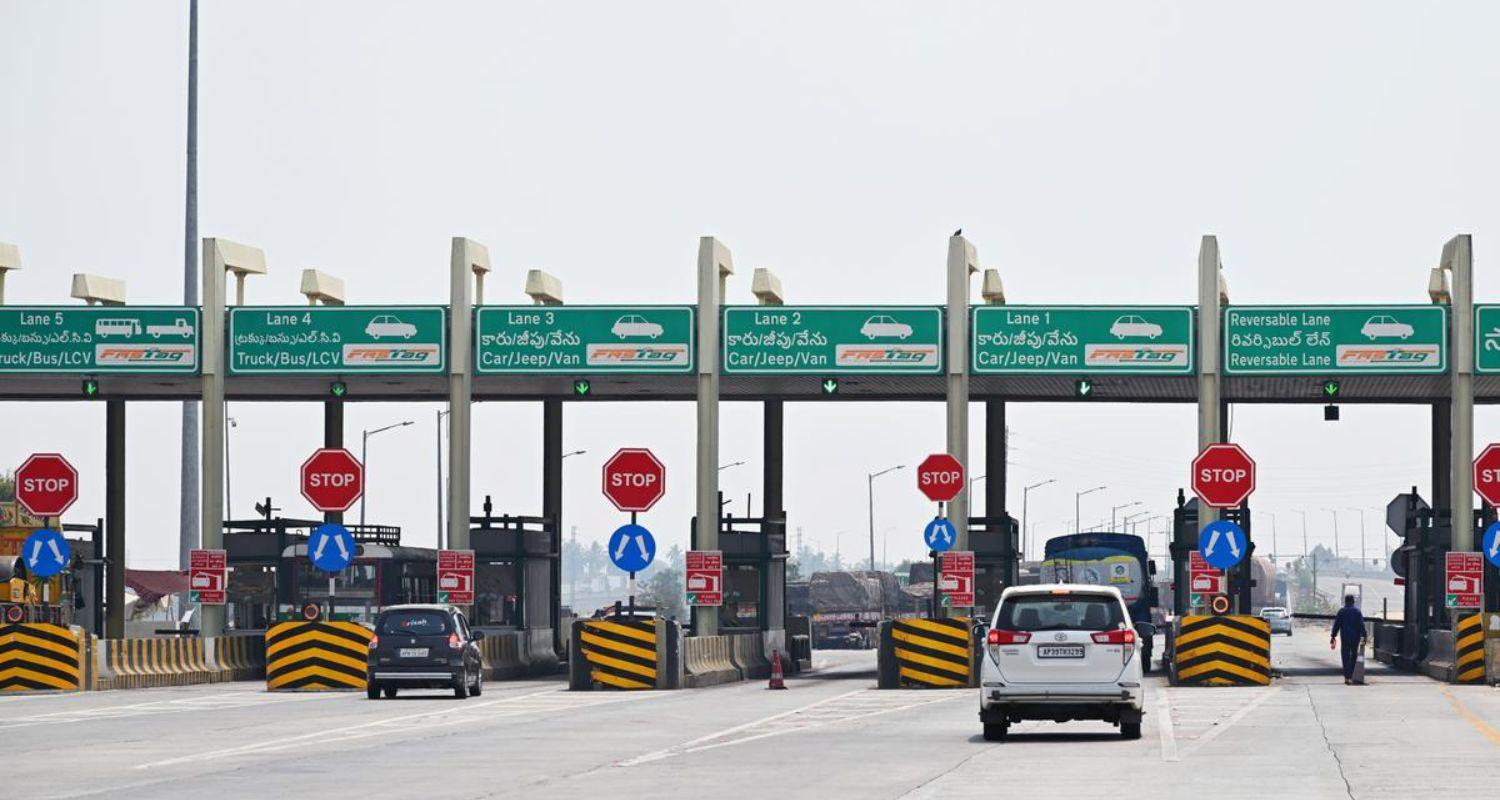
India is preparing for a major transformation in its highway infrastructure as the government moves toward a completely cashless toll payment system. Starting April 1, 2026, cash transactions at National Highway toll plazas may be discontinued, making digital payments mandatory across the country.
The initiative, led by the National Highways Authority of India (NHAI), aims to streamline toll collection, reduce congestion, and enhance commuter convenience through technology-driven solutions.
Digital-Only Toll Collection System
Under the proposed system, all toll payments will be processed exclusively through digital platforms such as FASTag and Unified Payments Interface (UPI). This shift is expected to eliminate manual cash handling and significantly speed up vehicle movement at toll plazas.
According to official statements, the move is designed to build a fully digital tolling ecosystem that ensures seamless, contactless travel across more than 1,150 toll plazas nationwide.
Why This Move Matters
Over the past few years, India has already witnessed a rapid adoption of digital toll payments. FASTag penetration has crossed 98%, making electronic toll collection the dominant mode across highways.
Authorities believe that removing cash transactions will:
- Reduce long queues and waiting times
- Improve traffic flow and lane efficiency
- Minimize disputes at toll booths
- Increase transparency in transactions
Experts say that cash payments often contribute to congestion, especially during peak hours. A fully digital system is expected to resolve these long-standing issues.
Penalties & Charges for Non-Digital Users
To encourage digital adoption, strict rules are already in place:
- Vehicles without valid FASTag paying via UPI may be charged 1.25x toll fee
- Cash payments can attract double toll charges
These measures have played a crucial role in accelerating India’s transition toward digital tolling.
UPI & FASTag: Driving India’s Digital Mobility
The integration of UPI at toll plazas ensures that even users without FASTag can make instant digital payments. Meanwhile, FASTag continues to offer seamless, RFID-based toll deductions without stopping vehicles.
Together, these systems are forming the backbone of India’s smart transportation infrastructure, aligned with the government’s vision of a digital economy.
What It Means for Commuters
For daily commuters and long-distance travelers, the shift means:
- No need to carry cash for tolls
- Faster travel with minimal stoppages
- Better highway experience overall
However, users must ensure their FASTag accounts are active and sufficiently funded to avoid penalties.