
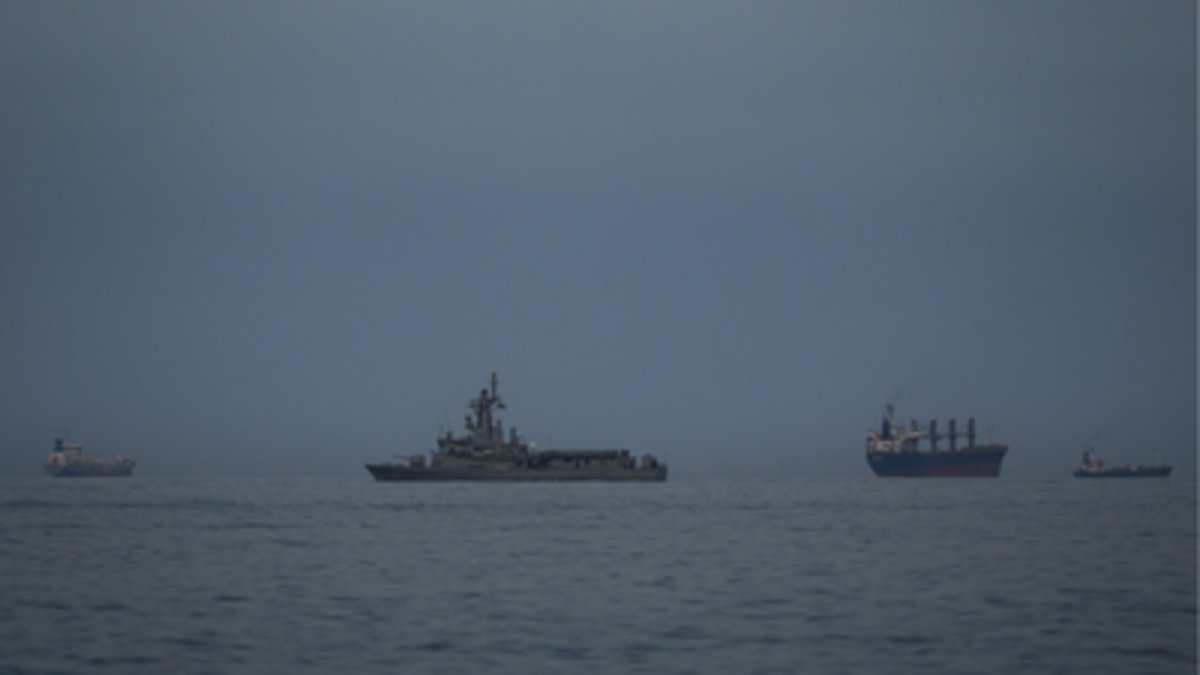
India has secured safe passage for its vessels through the strategic Strait of Hormuz after External Affairs Minister S. Jaishankar held discussions with his Iranian counterpart amid rising tensions in the region. The diplomatic engagement comes as several attacks on tankers and escalating military conflict have disrupted maritime traffic in the vital oil corridor.
Following the talks, Iran permitted Indian-flagged ships to transit the narrow waterway, providing relief to New Delhi, which relies heavily on the route for energy imports. The development helps ensure that Indian cargo and oil shipments can continue moving despite heightened security concerns in the Gulf region.
Indian Tankers Move Through Strategic Oil Route
Reports indicate that at least two Indian vessels Pushpak and Parimal – have been able to pass safely through the strait even as restrictions continue for several Western vessels. The move highlights India’s diplomatic outreach during the ongoing geopolitical crisis.
The Strait of Hormuz is one of the world’s most critical energy chokepoints, carrying a significant share of global oil shipments. Any disruption in the region can have major consequences for global energy markets and supply chains.
Rising Tensions and Maritime Risks
Tensions in the region have escalated after attacks on multiple vessels and a wider conflict involving Iran, the United States, and Israel. Several ships have reportedly been damaged near the strait, raising fears of a prolonged disruption to global shipping and oil trade.
For India, securing safe transit through Hormuz is crucial as more than half of its crude oil imports pass through the narrow maritime corridor.
The latest diplomatic effort is therefore seen as an important step in safeguarding India’s energy supply and maritime interests during a period of heightened geopolitical uncertainty.