
A Bangladeshi Hindu woman who had been living in Assam for decades has finally received Indian citizenship under the Citizenship Amendment Act (CAA) after a long legal battle and years of uncertainty over her status.
The woman, identified as Depali Das, is a 59-year-old resident of the Hawaithang area in Assam’s Cachar district. She had earlier been declared an illegal migrant by a Foreigners’ Tribunal in 2019, which led to her detention and legal proceedings.
Detained After Being Declared a Foreigner
Following the tribunal’s order in 2019, authorities detained Das and sent her to a detention centre in Silchar. She spent nearly two years there before being released on bail in May 2021 after a Supreme Court order allowed certain detainees to be freed under specific conditions.
Her lawyer later helped her apply for Indian citizenship once the rules under the Citizenship Amendment Act were notified. The application process involved multiple hearings and document verification conducted by authorities under the Ministry of Home Affairs.
Migration From Bangladesh
According to her legal representatives, Depali Das originally lived in the Sylhet region of Bangladesh. She married a man from Bangladesh in the late 1980s and the couple entered India in 1988, eventually settling in Assam’s Cachar district.
Her citizenship came under scrutiny years later when authorities launched an investigation in 2013. Police submitted a chargesheet stating that she had entered India from Bangladesh after the 1971 cut-off date used to determine citizenship in Assam.
Interestingly, this document later became key evidence in her application under the CAA because applicants must show proof that they migrated from Bangladesh, Pakistan, or Afghanistan.
Citizenship Granted After Verification
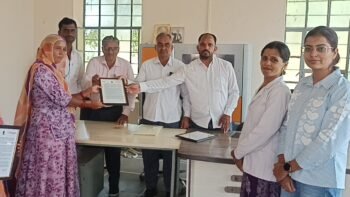
After completing multiple rounds of hearings and field verification by officials, the application was approved. Das finally received her Indian citizenship certificate on March 6, ending years of legal uncertainty.
Legal experts say this case is significant because she is believed to be the first declared foreigner in Assam who had previously spent time in a detention centre and later obtained Indian citizenship under the CAA.
Impact on Her Family
The citizenship certificate also provides security for her children, who were born in India. If their citizenship status is ever questioned in the future, they can rely on their mother’s officially granted Indian citizenship as supporting documentation.
Significance of the CAA
The Citizenship Amendment Act, passed by the Indian Parliament in 2019, provides a pathway to Indian citizenship for non-Muslim migrants from Bangladesh, Pakistan, and Afghanistan who entered India before December 31, 2014 and faced religious persecution.
The law has remained politically and socially controversial, especially in states like Assam, where concerns about migration and demographic changes have long been a sensitive issue.
The case of Depali Das highlights how the CAA is now being implemented and how it can impact individuals who have spent years living in India without clear legal status.