
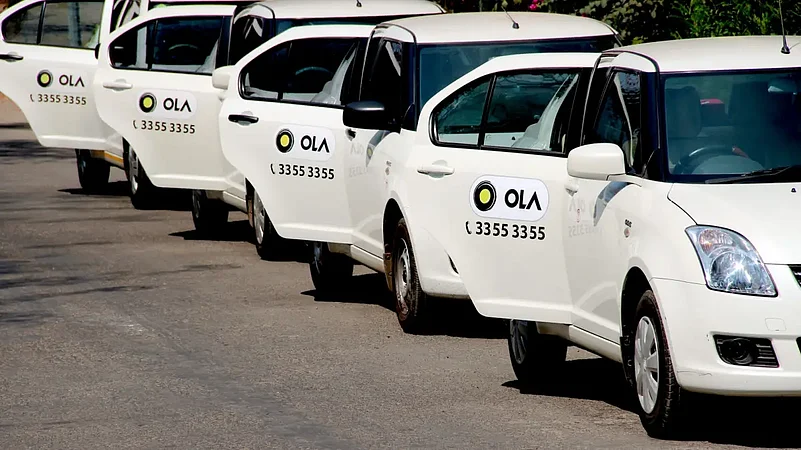
Booking a cab in India is set to become safer and more transparent, especially for women passengers. Under the revised Motor Vehicle Aggregator Guidelines, 2025, the central government has directed cab aggregators like Ola, Uber and Rapido to introduce a same-gender driver selection option in their apps. Alongside this, passengers will also be able to tip drivers after completing a trip, with the entire tip amount going directly to the driver.
What’s Changing and Why
The updated guidelines aim to enhance passenger safety, with a strong focus on women travellers. Female passengers will be able to opt for female drivers, where available, to make rides more comfortable and secure. The changes also seek to bring greater fairness for drivers by ensuring transparency in tipping.
When Will the Rules Apply?
The notification does not specify a fixed implementation date. However, as with earlier aggregator rules, states are expected to adopt the revised guidelines into their licensing frameworks. Once notified by states, aggregators will be required to update their apps accordingly to retain or renew their licences.
How Will It Be Implemented?
- State governments will incorporate the revised norms into cab licensing rules
- Aggregators must update their apps to add the same-gender driver selection feature
- Non-compliance could lead to licence suspension or cancellation
- App-level changes may take time, but compliance is mandatory
Industry Concerns
Experts say implementation could be challenging in the short term, as women make up less than 5% of cab drivers nationwide. This could increase waiting times, especially during late-night hours or in high-demand areas. Cab companies have not yet issued official statements on the rollout plan.
Clear Rules on Tipping
The new guidelines also formalise tipping:
- Tips can be given only after trip completion
- 100% of the tip must go to the driver; platforms cannot deduct commission
- Apps cannot use misleading prompts or pressure tactics for tipping
Overall, the move is seen as a step toward safer rides, better driver earnings, and more transparent cab services, even as platforms and states prepare to address practical challenges in execution.