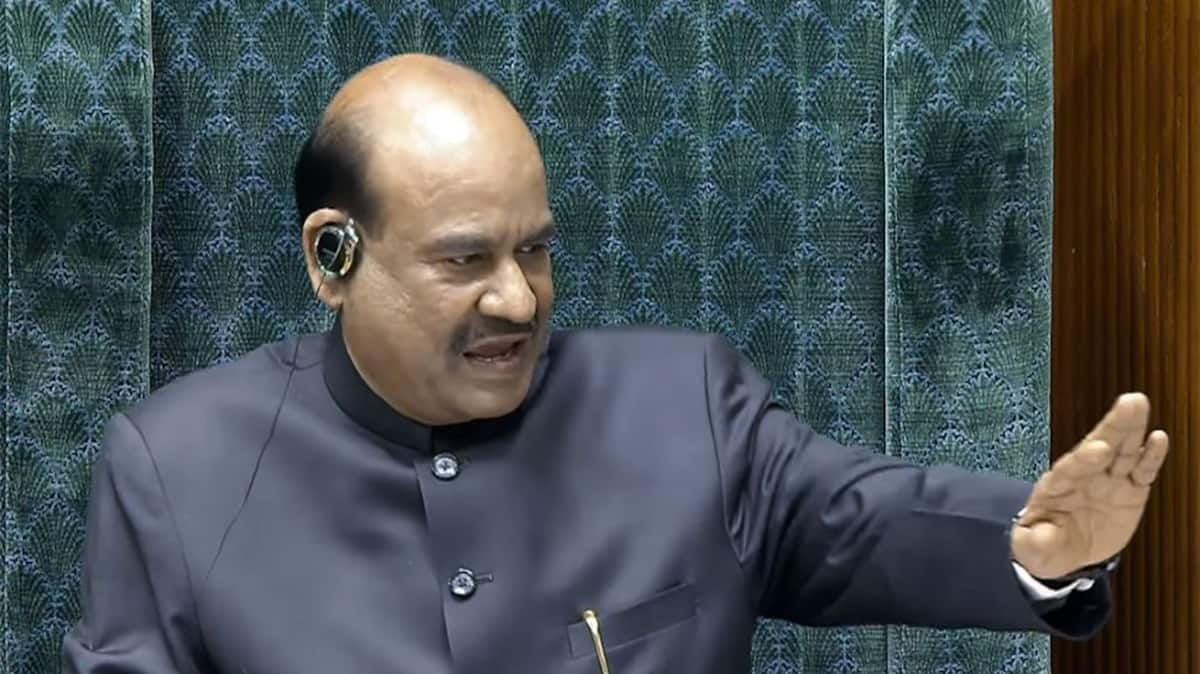
New Delhi : Opposition parties in India’s Parliament have formally submitted a notice of no-confidence motion against Lok Sabha Speaker Om Birla during the ongoing Budget Session 2026, escalating political tensions between the government and opposition lawmakers. The move reflects deepening conflict over parliamentary procedure and conduct in the Lower House.
Grounds for the Motion
The no-confidence motion, backed by more than 100 Members of Parliament (MPs), was submitted after the Speaker’s handling of House proceedings sparked sharp criticism from the Opposition. Key issues cited include:
Refusal to allow the Leader of the Opposition to speak during debate on the Motion of Thanks to the President’s address.
Suspension of eight Opposition MPs for the entire session, which parties argue undermines fair debate.
Alleged biased actions and comments by the Speaker, including remarks about Opposition MPs that critics call inappropriate.
The notice was submitted to the Secretary-General of Parliament by the Congress party and the INDIA bloc, marking a rare escalation in legislative confrontations.
Opposition Divisions and TMC Position
While many parties in the Opposition INDIA alliance moved swiftly on the motion, the Trinamool Congress (TMC) has reportedly chosen to hold off on formally signing the no-confidence notice, indicating strategic differences within the Opposition bloc.
Political observers say the delay may be driven by tactical considerations ahead of key Budget debates, although TMC leaders have expressed broader support for the overall Opposition stance.
Parliamentary Context and Disputes
The Budget Session has been marked by repeated disruptions, with the Lok Sabha repeatedly adjourned and sharp exchanges between members. At the heart of the dispute is the Opposition’s demand for a louder voice in key debates and greater procedural fairness.
Earlier incidents that fueled discontent include a controversy over unpublished content and restrictions on speeches within the House, further straining relations between the Speaker and the Opposition.
What Happens Next?
Under parliamentary rules, a no-confidence motion against the Speaker requires support from a significant number of MPs and must be tabled under constitutional procedures. Sources indicate that the Opposition is preparing to fulfill these requirements during the second phase of the Budget Session.
If the motion is admitted, it could lead to heated debate and voting in the Lok Sabha, potentially reshaping legislative dynamics. Political analysts say the development highlights rising friction in Parliament and growing dissatisfaction among opposition parties regarding parliamentary conduct.