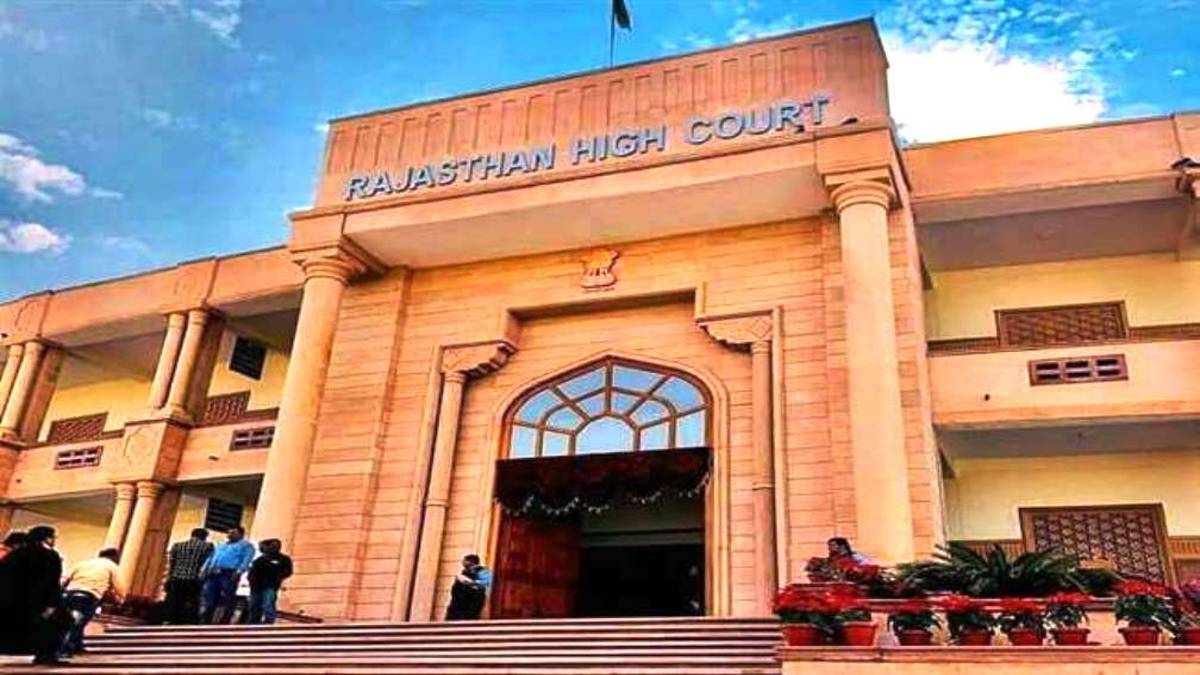
The Rajasthan High Court has taken serious note of prolonged vacancies in the Rajasthan State Commission for Protection of Child Rights and has sought a detailed response from the state government. The court’s intervention highlights growing concerns over the functioning of key institutions responsible for safeguarding children’s rights in the state.
What is the Issue?
According to recent developments, several crucial posts — including the chairperson and members — in the Child Rights Commission have remained vacant for a significant period. This has raised questions about the commission’s effectiveness in handling complaints and ensuring implementation of child protection laws.
The High Court has now directed the Rajasthan government to clarify why these positions have not been filled and what steps are being taken to address the issue.
Why This Matters
The Rajasthan State Commission for Protection of Child Rights (RSCPCR) plays a critical role in:
- Protecting children from abuse and exploitation
- Monitoring implementation of laws like the Right to Education (RTE) and POCSO Act
- Addressing grievances related to child welfare
Experts believe that vacant posts can severely impact the commission’s ability to function efficiently, delaying justice and weakening oversight mechanisms.
Court’s Concern
The High Court emphasized that institutions dealing with sensitive issues like child safety cannot afford administrative delays. It questioned the government’s inaction and stressed the urgency of filling these vacancies to ensure proper governance.
The matter is now under judicial scrutiny, and the state government is expected to submit its reply in the next hearing.
Bigger Governance Question
This issue also reflects a broader administrative concern in Rajasthan, where vacancies in key institutions have been repeatedly flagged. Delays in appointments not only affect governance but also public trust in statutory bodies.