
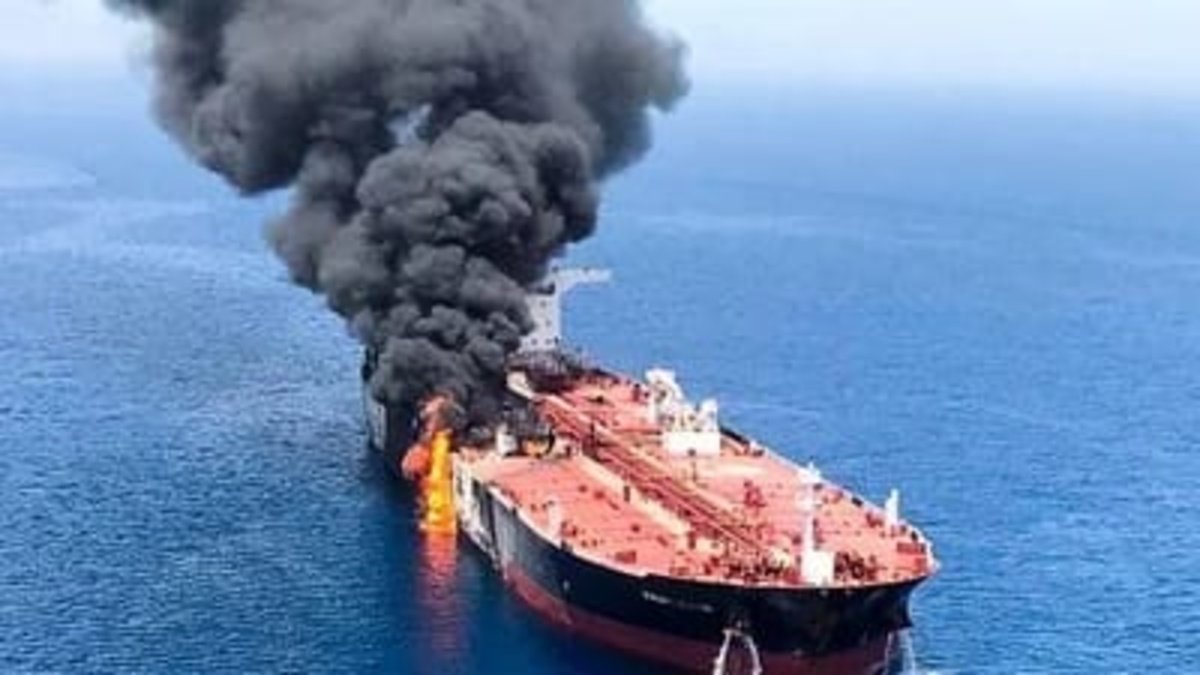
Rising tensions in the Middle East have sparked fears of a major global energy crisis, with analysts warning that Iran may be deliberately expanding the conflict to disrupt energy supplies and increase pressure on the United States and its allies.
The ongoing confrontation involving Iran, the United States, and Israel has already begun affecting key oil and gas routes, raising concerns that the crisis could soon impact global energy markets.
Iran’s Strategy to Expand the Conflict
Experts say Iran’s strategy appears aimed at broadening the scope of the conflict beyond Israel and the US by creating instability in the Gulf region. By threatening energy infrastructure and shipping routes, Tehran could potentially push oil prices higher and create economic pressure on Western countries.
This approach is seen by some analysts as a way for Iran to offset its military disadvantages by targeting the global economy, particularly the energy sector that many countries depend on.
Threat to Global Oil and Gas Supplies
The conflict has placed several major energy facilities and transport routes in the Middle East at risk. The region is home to some of the world’s largest oil and natural gas producers, and any disruption there could have global consequences.
Energy analysts warn that attacks on pipelines, refineries, or export terminals could significantly reduce supply, leading to sharp increases in oil prices and market volatility.
One of the biggest concerns is the Strait of Hormuz, a narrow shipping passage through which nearly 20% of the world’s oil supply passes. Any disruption in this area could severely affect global energy flows and trigger price spikes worldwide.
Economic Pressure on the United States
According to experts, Iran’s strategy may also aim to increase economic pressure on Washington by driving up fuel prices and creating instability in global markets.
Rising energy costs can influence inflation, economic growth, and political pressure within the United States and other Western countries that rely heavily on global oil supplies.
This has raised concerns that the conflict could evolve into a prolonged geopolitical standoff, with both sides attempting to outlast the other through economic and strategic pressure.
Growing Global Uncertainty
The widening conflict has already triggered concern among governments and energy markets around the world. Oil prices have shown signs of volatility, while several countries are closely monitoring the situation due to potential disruptions in supply chains.
Analysts say the current crisis highlights how geopolitical tensions in the Middle East can quickly influence global energy security and economic stability.
What Comes Next
While diplomatic efforts continue, the situation remains highly unpredictable. Experts believe that the trajectory of the conflict will determine whether the world faces temporary energy market shocks or a prolonged global energy crisis.
For now, governments and energy markets remain on high alert as the conflict unfolds in one of the world’s most strategically important regions for oil and gas production.