





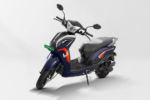


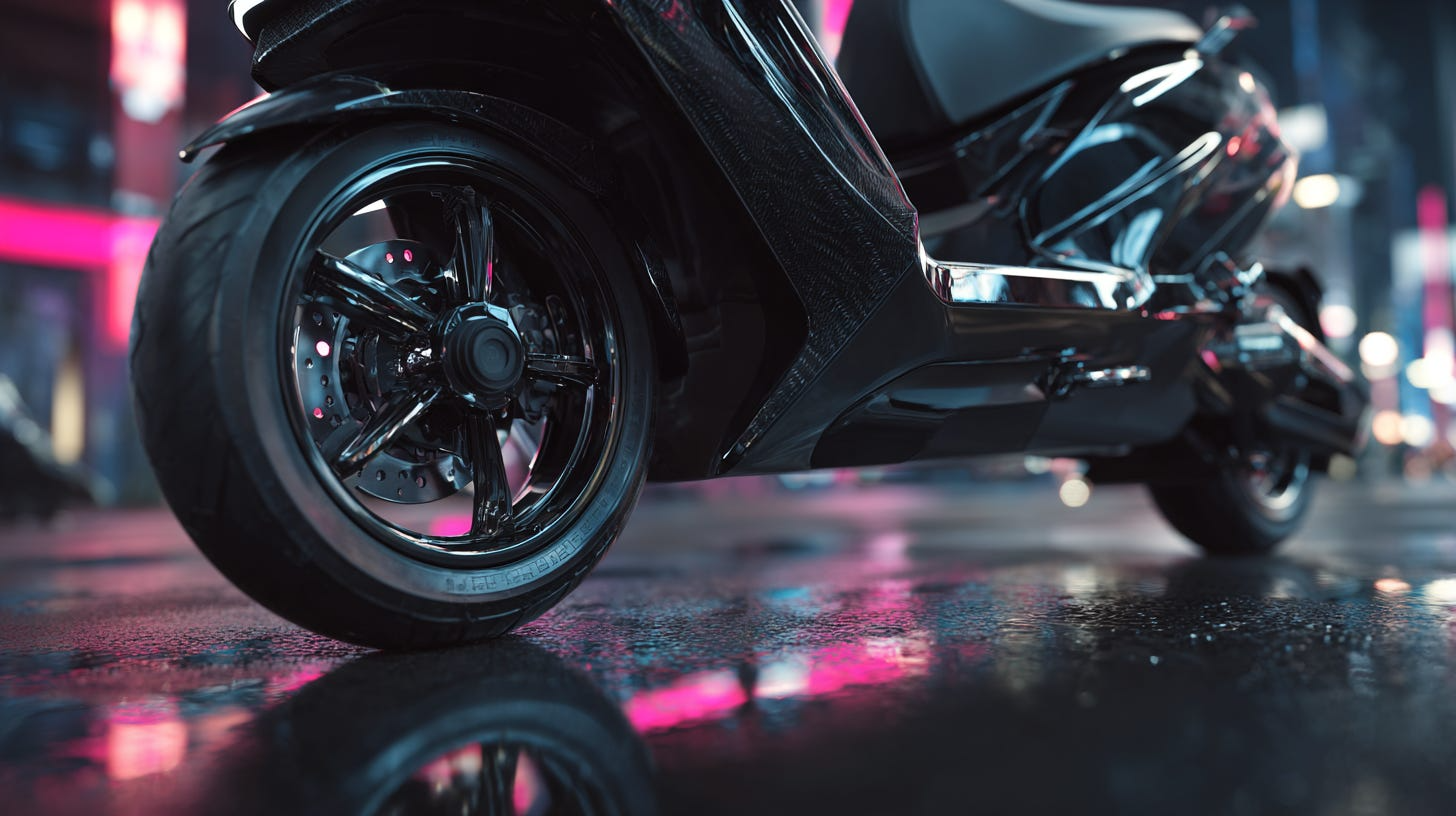
New Delhi, Electric motorcycles are still a tiny fraction of India’s vast two-wheeler market, with traditional petrol-powered bikes holding around 65-70 percent market share, while electric motorcycles account for roughly only 0.1 percent of total sales, industry experts say.
Even as electric two-wheelers (e2Ws) have seen rapid growth in recent years under supportive government policies, sales and manufacturing in the electric motorcycle segment continue to lag far behind expectations. Analysts point to structural issues in government incentives, manufacturing priorities and competitive dynamics that have slowed the transition.
PLI Scheme Design Challenges
A recent report by the Centre for Digital Economy Policy Research (C-DEP) highlights that the auto Production Linked Incentive (PLI) scheme — designed to boost EV manufacturing — has distorted market incentives in India’s electric two-wheeler industry by focusing too much on scale rather than innovation.
According to the report, the PLI scheme’s scale-based eligibility criteria have favoured larger firms with existing production capacity, enabling them to capture domestic market share, while innovation-led startups and smaller makers — especially those focusing on electric motorcycles — face exclusion or disadvantages.
While PLI has accelerated production among approved manufacturers, it has not translated into global competitiveness or export readiness for electric two-wheelers, and has sidelined many companies that might otherwise introduce better electric motorcycle models.
Limited Innovation Participation
Industry insiders, including Ather Energy co-founder Tarun Mehta, have said that while PLI benefits help established players on certain product lines, they also delay or restrict innovation in new segments like electric motorcycles and sub-₹1 lakh vehicles, which consumers often find attractive. This means manufacturers postpone launching competitive electric motorcycle models.
Wider Market and Policy Issues
Apart from incentive design, other challenges include widespread consumer preference for petrol motorcycles due to familiarity and existing infrastructure, affordability concerns with EV pricing, and gaps in charging networks and battery technology. Although e2W sales have grown steadily overall, the motorcycle segment — which demands higher performance and range — has struggled to keep pace.
Even successful electric two-wheeler sales figures show that scooters dominate the segment, with limited penetration of high-speed electric motorcycles, reinforcing the need for targeted policies and incentives aimed specifically at that sub-segment.
Looking Ahead
Experts say that without policy adjustments — such as widening PLI eligibility to innovation-led OEMs, enhancing support for electric motorcycle development, and improving charging infrastructure — electric motorcycles in India may continue to lag behind both consumer demand and broader EV adoption goals.