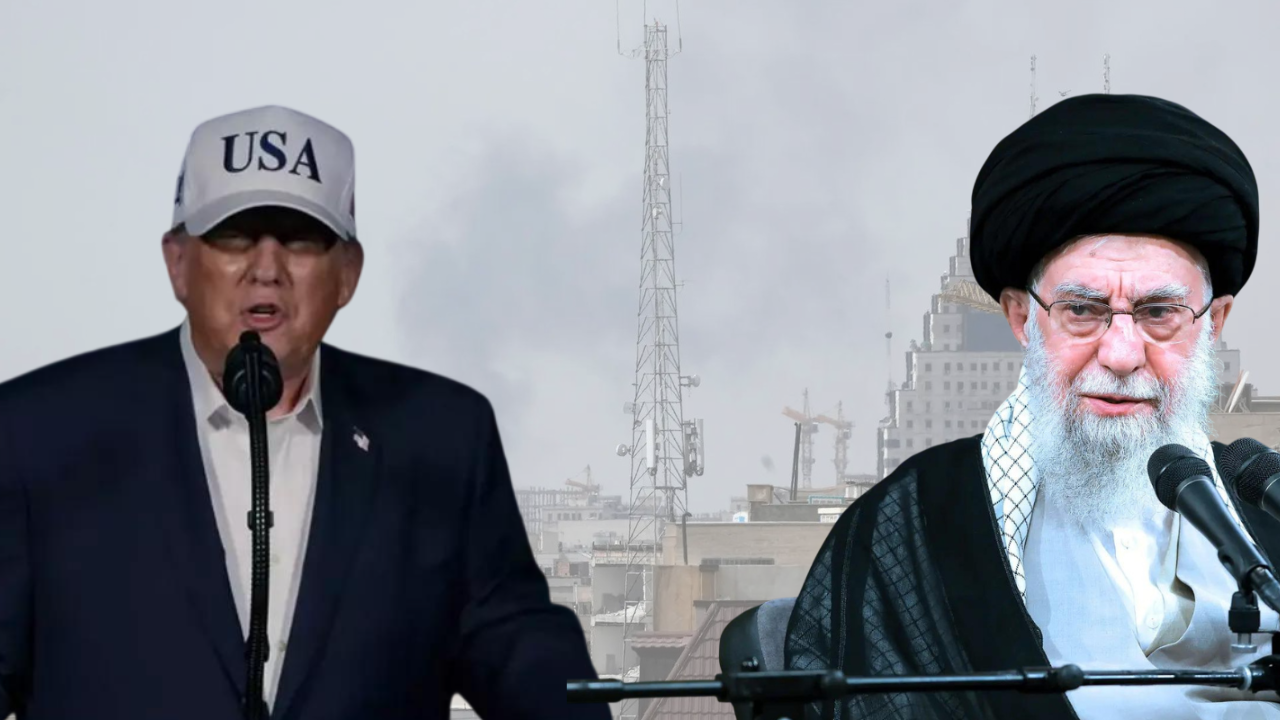
New Delhi / Global, March 1, 2026 — The reported death of Iran’s Supreme Leader, Ayatollah Ali Khamenei, amid escalating conflict involving the United States and Israel has triggered significant movement in global commodity markets, particularly in crude oil, gold and silver prices. Investors are reassessing geopolitical risk and its potential impact on supply and financial markets worldwide.
While Iran’s domestic political transition remains uncertain, the immediate market reaction reflects concerns over regional instability and energy supply disruptions. Analysts warn that upheaval in Iran — a major player in global oil markets — could influence crude prices and investor behaviour in precious metals as safe-haven assets.
Crude Oil Prices Rise on Supply Risk Fears
The geopolitical situation in the Middle East has already pushed oil prices higher, with Brent crude trading at elevated levels amid fears of supply disruptions — particularly if key shipping routes like the Strait of Hormuz are affected. India and other major importers are monitoring the situation closely, although officials say immediate disruption to Indian oil supplies remains unlikely due to existing reserves and contingency planning.
Gold & Silver Attract Safe-Haven Demand
Precious metals, especially gold, have seen a sharp increase in demand as investors seek refuge from uncertainty. In India, gold prices have surged markedly, with 24-carat gold and silver rates climbing in key markets amid the ongoing geopolitical risk environment. This trend reflects a typical safe-haven response during periods of global instability and heightened geopolitical tensions.
Experts say that as conflict dynamics evolve and markets digest the implications of leadership changes in Iran, gold and silver prices can remain elevated if uncertainty persists.
Impact on Financial Markets
Beyond commodities, broader financial markets have shown risk-off sentiment, with equities under pressure in many regions and safe-haven flows supporting bonds and precious metals. Analysts also note that elevated oil and bullion prices could complicate inflation expectations and impact currency movements, particularly in heavily energy-dependent economies.