
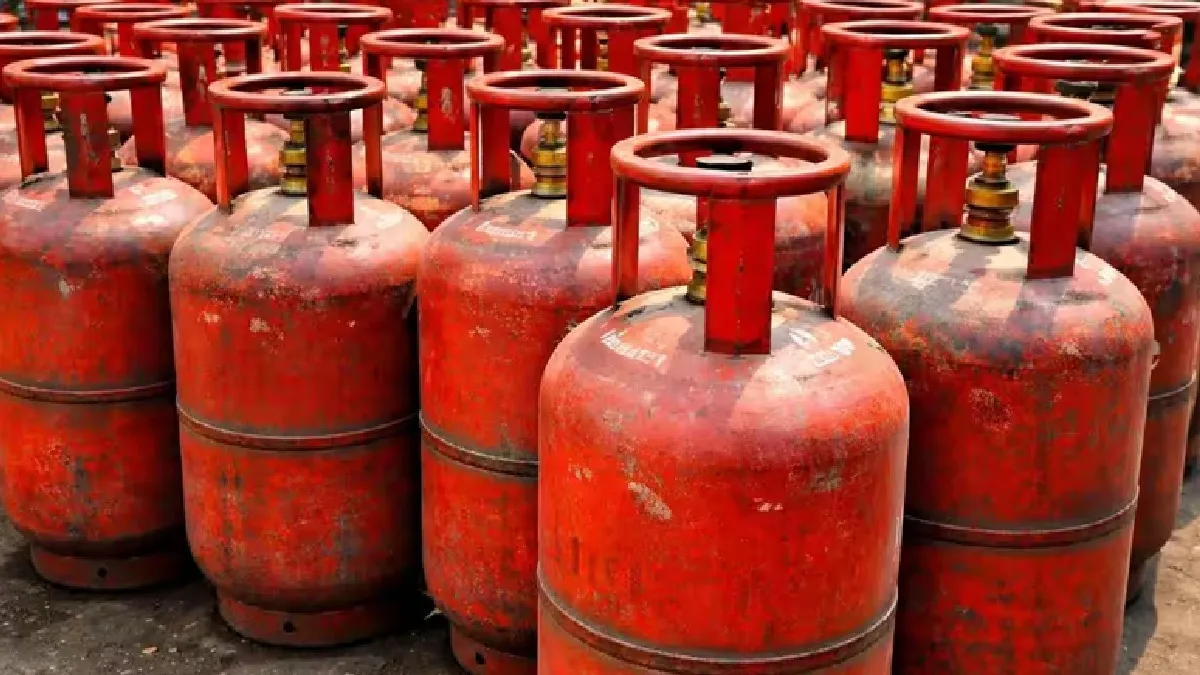
The Indian government has directed oil refineries across the country to increase the production of liquefied petroleum gas (LPG) as tensions in the Middle East raise concerns about potential disruptions in energy supplies. The move aims to ensure that there is no shortage of cooking gas for millions of households in India despite the ongoing geopolitical crisis.
According to officials, the government has invoked emergency powers to instruct both public and private oil refineries to maximize LPG output. Refiners have been asked to prioritize the production of LPG by using available propane and butane resources, which are the key components used in making cooking gas.
India is one of the largest consumers of LPG in the world. In the previous year alone, the country consumed more than 33 million metric tonnes of LPG. However, a significant portion of this demand is met through imports, with nearly two-thirds of the supply coming from overseas markets.
The Middle East plays a particularly important role in India’s LPG supply chain. Around 85 to 90 percent of India’s LPG imports come from countries in the region, making the country vulnerable to disruptions caused by conflicts or shipping issues in key routes such as the Strait of Hormuz.
To address the situation, the government has ordered refiners to ensure that propane and butane streams available at refineries are used primarily for LPG production rather than being diverted for petrochemical manufacturing. This directive is intended to increase the availability of cooking gas for domestic consumers and maintain stable supplies across the country.
The government has also instructed producers to supply LPG, propane, and butane to state-owned oil marketing companies such as Indian Oil Corporation, Hindustan Petroleum Corporation Limited, and Bharat Petroleum Corporation Limited. These companies are responsible for distributing LPG cylinders to households across India.
India currently has more than 330 million active LPG consumers who depend on cooking gas for their daily needs. Ensuring uninterrupted supply is therefore a major priority for the government, particularly during periods of global uncertainty.
While the decision is expected to stabilize domestic LPG availability, industry experts note that diverting propane and butane for LPG production could impact petrochemical output. Products such as alkylates and polypropylene, which are typically manufactured using these gases, may see reduced production as refineries prioritize cooking fuel supply.
Despite these challenges, authorities remain confident that the measures will help maintain sufficient cooking gas supply for Indian households. The government is also exploring alternative import sources and strengthening energy security strategies to reduce the impact of geopolitical disruptions on the country’s fuel supply.