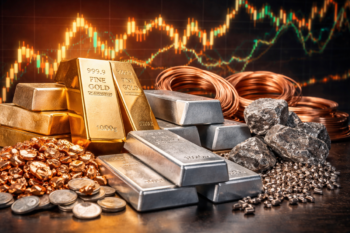
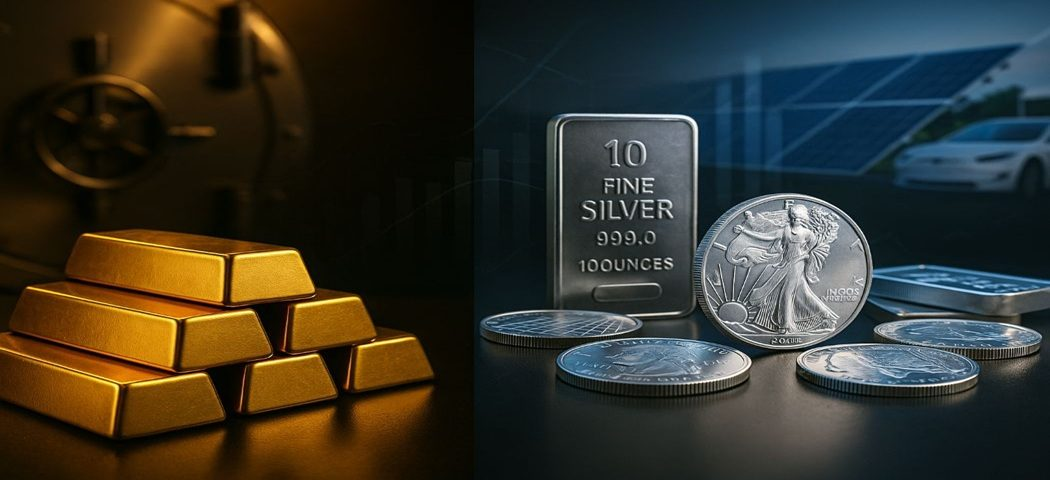
The Indian government is reportedly considering an increase in import duty on gold and silver as policymakers look for ways to control the widening trade deficit and support the falling Indian Rupee. The possible move comes at a time when precious metal imports have surged sharply, putting additional pressure on India’s foreign exchange reserves and overall economy.
India is one of the world’s largest consumers of gold and silver. A significant portion of these precious metals is imported from foreign countries, which increases the country’s import bill. With the Indian Rupee already under pressure against the US Dollar, the government is now exploring measures that could reduce unnecessary imports and stabilize the economy.
Why India Is Planning to Increase Gold Import Duty
The main reason behind the proposed import duty hike is the growing trade deficit. A trade deficit occurs when a country imports more goods than it exports. India’s increasing demand for gold, silver, crude oil, electronics, and other imported products has widened the gap significantly.
Gold imports alone account for a major portion of India’s non-essential imports. Whenever gold demand rises during wedding seasons and festivals, the country spends billions of dollars on imports. This increases the demand for foreign currency, especially the US Dollar, weakening the Indian Rupee further.
By increasing import duty on gold and silver, the government aims to discourage excessive imports and reduce pressure on the Rupee.
Impact on Gold and Silver Prices in India
If the government raises import duty, gold and silver prices in India are likely to increase immediately. Since imported metals become more expensive, jewellers and retailers pass the additional cost to consumers.
This means buyers may have to pay higher prices for:
- Gold jewellery
- Silver ornaments
- Gold coins and bars
- Investment-grade bullion
Experts believe that even a small increase in import duty could significantly impact retail prices because India relies heavily on imported precious metals.
How It Could Affect Common Consumers
A rise in gold prices may affect wedding purchases and festive buying across India. Gold is deeply connected with Indian culture and is considered both an emotional and financial investment.
Families planning weddings may face higher jewellery costs, while investors could see increased prices for gold-based investments. Silver products, including utensils, jewellery, and investment bars, may also become costlier.
However, some financial experts believe higher prices could temporarily reduce demand, helping the government control imports.
Government’s Focus on Supporting the Rupee
The Indian Rupee has remained under pressure due to rising crude oil prices, global uncertainty, and foreign fund outflows. Increasing import duty on precious metals is seen as one of the strategies to reduce dollar outflow from the country.
When imports decrease, the demand for US Dollars also declines slightly, which can help stabilize the Rupee in the foreign exchange market.
The government and the Reserve Bank of India are continuously monitoring the situation as global economic uncertainty and geopolitical tensions continue to impact emerging markets like India.
Effect on the Jewellery Industry
India’s jewellery industry could face mixed consequences from the import duty hike. On one hand, higher gold prices may reduce customer demand, affecting jewellery sales. On the other hand, existing gold inventories may become more valuable.
Jewellers may also experience pressure on profit margins if customer purchasing declines. Smaller jewellery businesses could be more affected compared to large organized brands.
The Indian jewellery market is highly dependent on consumer sentiment, especially during festivals such as Diwali, Akshaya Tritiya, and the wedding season.
Could Smuggling Increase Again?
One major concern associated with higher gold import duty is the possibility of increased gold smuggling. In the past, whenever India sharply increased import duties on gold, illegal smuggling activities also rose significantly.
Experts warn that if the duty hike becomes too aggressive, unofficial gold channels could become more active again. This could create enforcement challenges for customs authorities and law enforcement agencies.
Therefore, the government may try to balance revenue generation, import control, and market stability while deciding the final duty structure.
Why Gold Demand Remains Strong in India
Despite rising prices, gold demand in India remains consistently strong due to cultural, traditional, and investment reasons. Gold is widely viewed as:
- A safe investment during economic uncertainty
- A hedge against inflation
- A symbol of wealth and tradition
- An important part of Indian weddings and festivals
This emotional connection often keeps demand strong even during periods of high prices.
What Experts Are Saying
Market analysts believe the government may introduce moderate duty hikes instead of drastic increases to avoid shocking the jewellery market. Some experts also suggest that policymakers could introduce additional measures to encourage digital gold investments or gold monetization schemes.
Economists say the move is mainly aimed at reducing the current account deficit and supporting the weakening Rupee amid global economic challenges.