
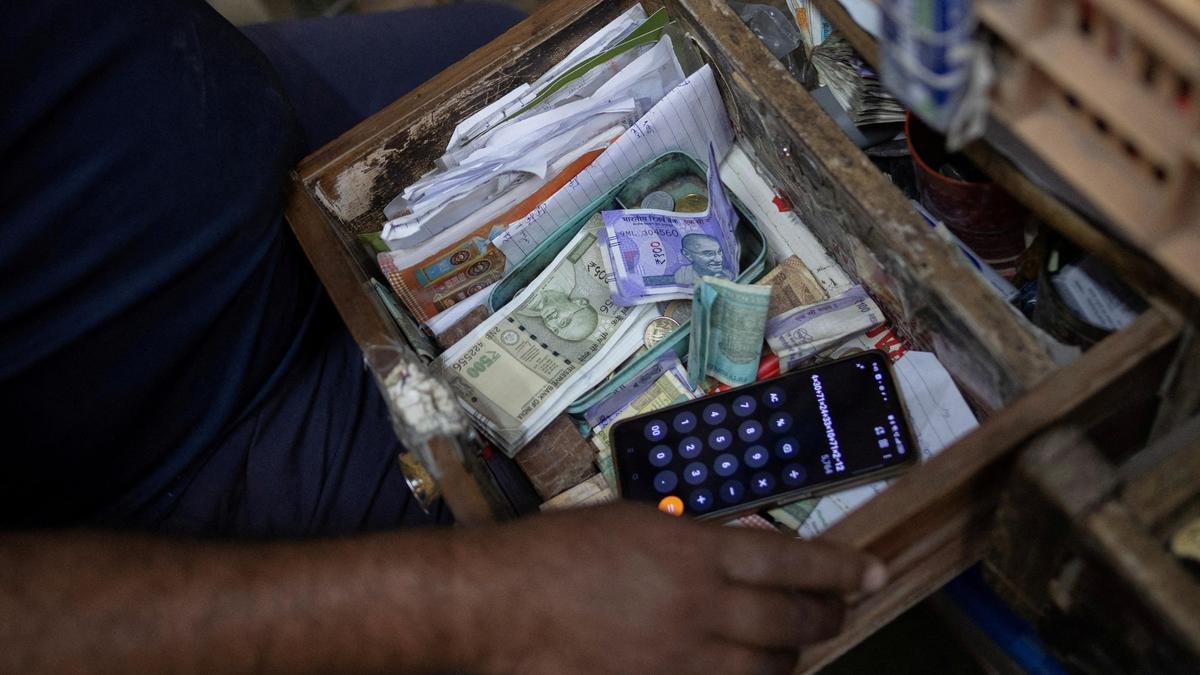
The Indian rupee recovered slightly from its record low levels but still ended weaker against the US dollar, closing at ₹92.17 on Thursday. The local currency settled 16 paise lower compared to its previous close, reflecting continued pressure from global economic factors.
At the interbank foreign exchange market, the rupee opened at around ₹92.25 per dollar and slipped further during trading, touching an all-time intraday low of about ₹92.36 before recovering some losses later in the session.
Rising Oil Prices Put Pressure on Rupee
One of the key factors behind the rupee’s weakness was the sharp rise in global crude oil prices amid geopolitical tensions in West Asia. Brent crude, the global oil benchmark, rose significantly, increasing pressure on the currencies of oil-importing countries like India.
Since India imports a large share of its crude oil needs, higher energy prices increase demand for dollars, which in turn weakens the rupee.
Strong US Dollar and Market Volatility
The strength of the US dollar in global markets also weighed on the Indian currency. The dollar index, which measures the greenback’s performance against a basket of major currencies, remained higher during the trading session.
At the same time, volatility in domestic equity markets added further pressure on the rupee.
Foreign Fund Outflows Impact Currency
Foreign institutional investors (FIIs) were net sellers in the Indian equity market, which contributed to the weakening of the rupee. Data from exchanges showed that foreign investors sold equities worth more than ₹6,000 crore during the session.
Such outflows typically increase demand for dollars as investors move capital abroad, putting additional pressure on the local currency.
Outlook for the Rupee
Market analysts believe the rupee could remain under pressure in the near term due to rising crude oil prices and ongoing global uncertainty.
Experts say the USD-INR exchange rate may trade within a range of ₹91.70 to ₹92.40 in the short term, depending on global energy prices and investor sentiment.
Overall, the movement of crude oil prices, geopolitical developments, and foreign investment flows are expected to remain the key drivers influencing the rupee in the coming days.