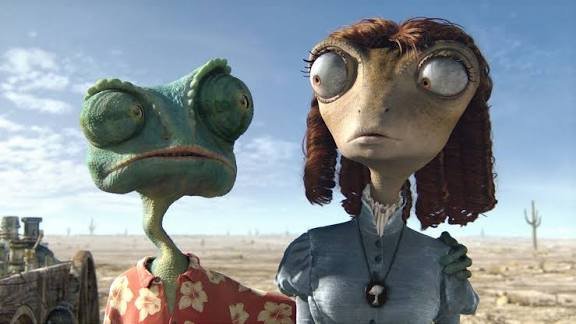
It’s been 15 years since the release of Rango, the wildly inventive animated western that marked director Gore Verbinski’s bold departure from live-action filmmaking into uncharted animated territory. In a recent anniversary conversation with Polygon, Verbinski looked back at the creative risks, the unique production philosophy, and how an accidental classic was born.
From Skepticism to Surprise Success
When Verbinski first approached an animated project like Rango, few would have expected the quirky desert tale of a chameleon stranded in a frontier town to become an Oscar winner and a cultural touchstone. The director admitted in the Polygon interview that his team “didn’t really know how to make an animated movie” when they began. That uncertainty, rather than holding them back, became part of the film’s creative DNA, letting instinct and experimentation lead the way.
Rather than follow traditional animation rules, Verbinski treated the process much like live-action filmmaking: staging shots, focusing on camera language, and prioritizing character performance over technical polish. This approach helped Rango stand apart from other animated features of the time and gave the film its earthy, tactile texture.
Reinventing the Animated Western
Rango was never intended to be just another kids’ cartoon. Verbinski and his collaborators embraced genre elements from classic westerns, from the mythic solitude of the desert to the rich ensemble of desert characters with distinct personalities and histories. This depth made the world feel lived-in, as if every minor character had an untold story of their own behind them.
This emphasis on character over cliché reflected Verbinski’s broader philosophy: make films that satisfy the curiosity of the artist first, and trust that audiences will follow. It’s a principle that guided the production from the very beginning and one he reiterated in his anniversary reflection.
A Collaborative, Risk‑Taking Process
The creative team on Rango didn’t constrict themselves to norms of animated filmmaking. Instead, the cast including voice acting icon Johnny Depp performed together in ways more akin to theatrical rehearsals. Some of the cast scenes were recorded in group sessions, giving actors the space to play off one another in real time a rarity in animation voice work.
This emphasis on spontaneity and emotional authenticity something that verbinski and his team later jokingly referred to as emotion capture helped breathe life into a film that felt more organic and unpredictable than most CGI films of its era.
15 Years On: What Endures
Looking back with Polygon, Verbinski clearly sees Rango as more than a milestone in his career, it’s a testament to what can happen when a creative team trusts its instincts and embraces the unknown. What began as a genre mash-up, an animated western with a chameleon at its heart proved to be a beloved cult classic and an animated film that still feels fresh and original 15 years later.
As audiences revisit Rango on its anniversary, the film’s blend of humor, heart, and genre savvy continues to inspire creators and remind fans why trusting the unexpected can lead to unforgettable cinema.