
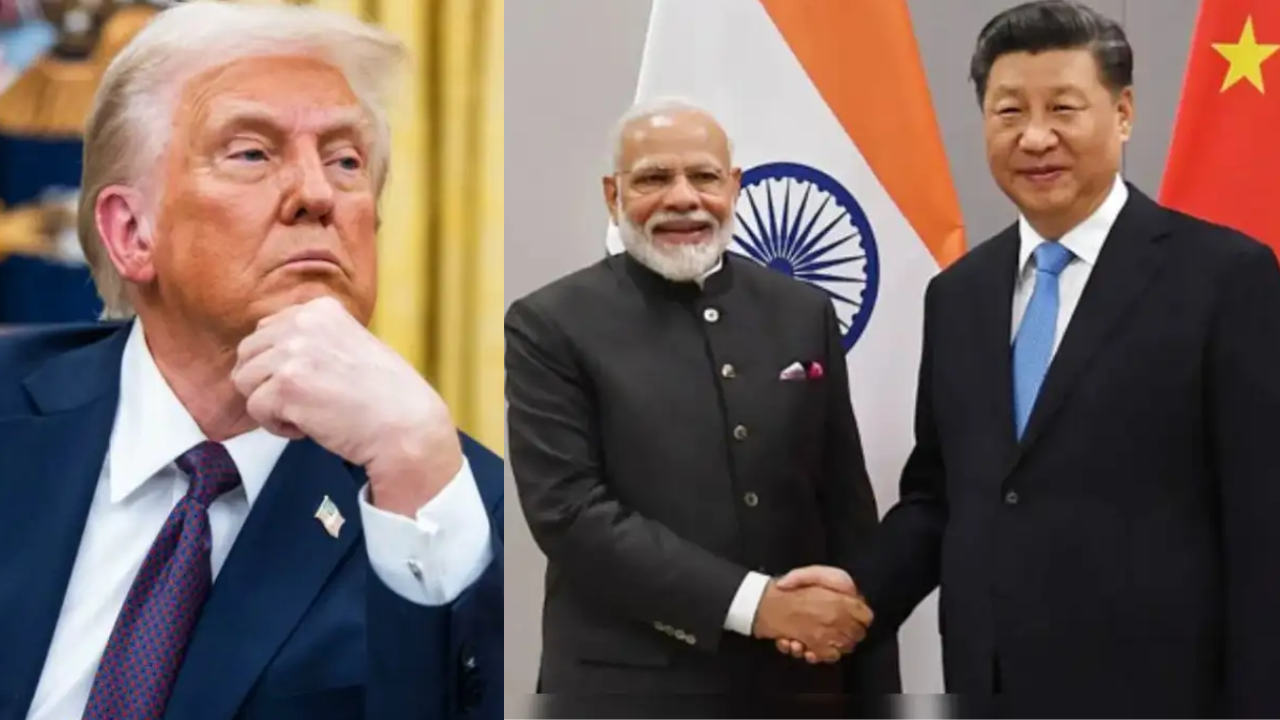
The global trade landscape has been shaken after Donald Trump’s aggressive tariff policies faced a major legal setback from the US Supreme Court, triggering what experts are calling a full-blown tariff crisis in 2026. The ruling has not only disrupted US economic strategy but also opened new opportunities for countries like India and China.
The controversy centers around Trump’s use of the International Emergency Economic Powers Act (IEEPA) to impose sweeping tariffs on imports. The court, in a landmark 6-3 verdict, ruled that this law does not grant the president authority to unilaterally impose tariffs, emphasizing that such powers lie with Congress.
This decision effectively nullified a large portion of the tariff structure that had been implemented under Trump’s administration, creating uncertainty in global markets and forcing the US government to reconsider its trade strategy.
Following the ruling, Trump reacted strongly and introduced a temporary global tariff of up to 15% under alternative legal provisions. However, this move has further fueled economic instability, with financial markets witnessing sharp declines and investors shifting towards safer assets like gold.
One of the biggest outcomes of this legal battle is the advantage gained by emerging economies. Countries like India and China are now expected to benefit significantly, as reduced tariff barriers make their exports more competitive in the US market.
Trade analysts suggest that this shift could rebalance global trade flows, potentially strengthening India’s position in sectors like manufacturing and exports. Meanwhile, China may regain lost ground in international markets due to eased restrictions.
Adding to the crisis, several companies have already begun legal action to recover previously paid tariffs, indicating that the financial impact of the ruling could run into billions of dollars.
Experts warn that continued policy uncertainty may harm global economic stability, disrupt supply chains, and strain diplomatic relations between the US and its trading partners. At the same time, the ruling reinforces constitutional limits on presidential powers, marking a significant moment in US legal and economic history.
In conclusion, the Trump tariff crisis has evolved into a complex mix of legal, economic, and geopolitical challenges. While the US faces uncertainty, countries like India and China stand poised to capitalize on the shifting trade dynamics, making this one of the most significant global economic developments of 2026.