
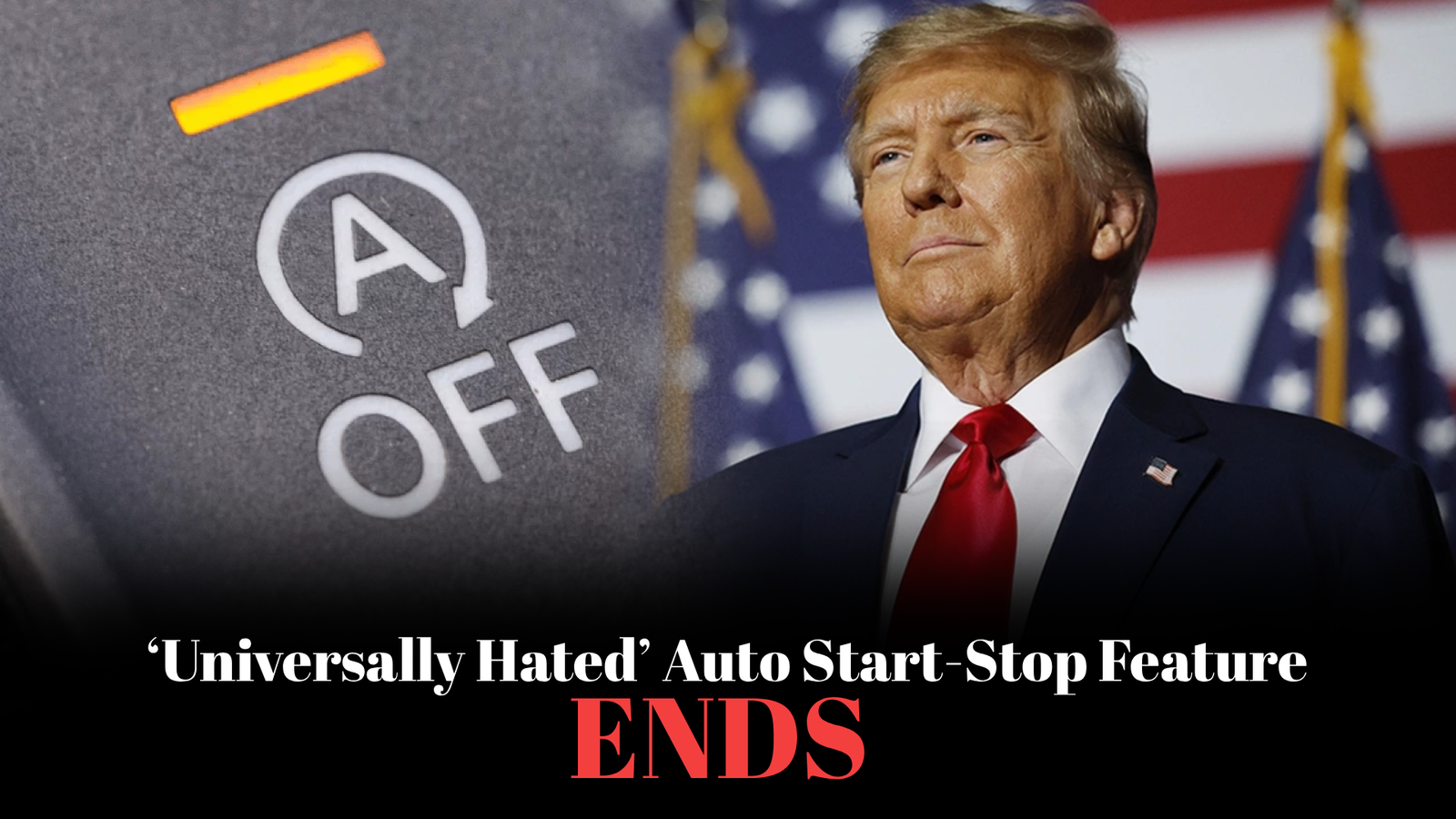
In a major shift for U.S. automotive regulations, the Trump administration and the U.S. Environmental Protection Agency (EPA) have announced the end of credits that incentivized the widely disliked auto start-stop feature in cars. The feature, designed to temporarily shut off the engine when a vehicle is idle, has been labeled “almost universally hated” by EPA officials and critics who say it offered little real-world benefit.
The decision was unveiled at a White House event on February 12, 2026, where EPA Administrator Lee Zeldin joined former President Donald Trump in announcing a broader rollback of environmental rules that regulated tailpipe emissions and encouraged technologies like start-stop systems.
What Is the Auto Start-Stop Feature?
The auto start-stop system automatically shuts off a car’s engine when the vehicle comes to a stop — such as at traffic lights or in heavy traffic — and restarts it once the driver lifts their foot. The technology was originally intended to reduce fuel use and cut emissions. Industry estimates suggest it could improve fuel economy by 7%–26% depending on driving conditions.
However, many drivers have criticized the feature as intrusive and irritating, with some expressing frustration over battery and starter wear or delayed acceleration. Surveys and social media conversations reflect a strong consumer dislike for the system.

Why the Change?
By eliminating off-cycle credits tied to start-stop systems — which automakers could previously count toward emissions standards — the EPA essentially removes the regulatory motivation for carmakers to include the technology. Without those credits, manufacturers may choose to drop the feature entirely from future vehicles.
EPA officials framed the move as restoring consumer choice and reducing the cost of new vehicles. The administration has argued that environmental regulations tied to emission reductions have contributed to rising vehicle prices.
Industry and Environment Reactions
Automakers like Ford and Stellantis praised the rollback, saying it better aligns standards with customer demand and affordability. Critics argue that reducing incentives for fuel-saving technology could slow progress toward cleaner transportation goals. Environmental groups warn that the change undermines broader emissions reduction efforts.
Broader Regulatory Context
This policy shift accompanies a larger repeal of the 2009 EPA “endangerment finding”, which served as the legal foundation for regulating greenhouse gases from vehicles and other sources. The repeal marks the most significant rollback of U.S. climate policy in recent years and has drawn strong responses from both industry and environmental advocates.